On the morning of the second of November in the year ninety-five, my friend was visited by a Miss Eveline Chenery, a small, brisk woman of perhaps thirty, who placed before him a problem that occupied us throughout the day and into a wet, cold, and disagreeable night. Miss Chenery was the sole secretary and amanuensis of her uncle, Mr Edgar Chenery, a solicitor of long standing in Gray's Inn. On the previous Thursday morning her uncle had not appeared at his chambers. He had, by his clerk's account, left his lodgings in Doughty Street at a quarter past nine; he had taken his usual route along the Gray's Inn Road; but the porter at the gate had not seen him pass. By midday Miss Chenery had been at the police-station; by the evening Inspector Hopkins, who as the reader may know had become a frequent caller at our rooms in matters of unusual interest, was at the door of Holmes himself. The matter had taken a darker turn at noon on Friday, when a brief letter, in Mr Chenery's hand and posted from a Continental address, had been delivered to the Chenery offices: "Necessity has compelled me to leave London. I shall communicate further when circumstances permit. Trust no one. — E. C." The hand was Chenery's own, and yet — Miss Chenery insisted, and Hopkins agreed — the letter rang false. Holmes took up the letter, weighed it on his palm, and slowly began to smile.
The 221B Daily
A new edition from Baker Street every morning.
Friday, 1 May 2026 | Difficulty IV
The Vanishing Solicitor of Gray's Inn
A solicitor leaves his lodgings at a quarter past nine and never reaches his chambers. A letter arrives from the Continent in his own hand — and it rings false.

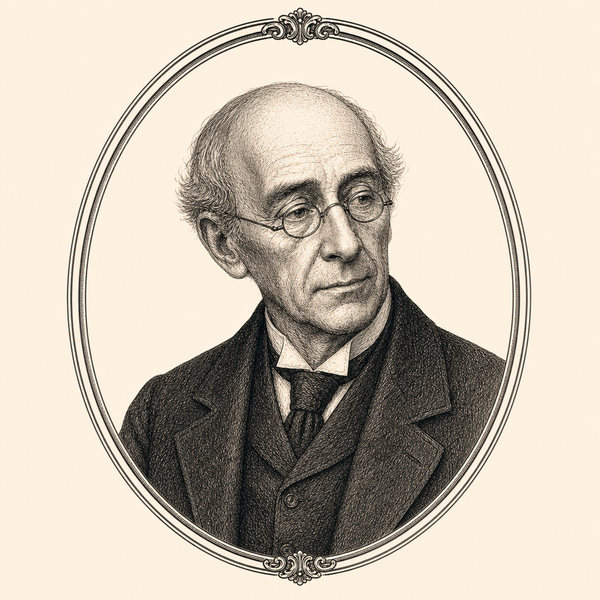
Sidney Paget · The Strand Magazine, October 1903 · Public Domain
Watson’s account
Section I
The Scene
- Setting
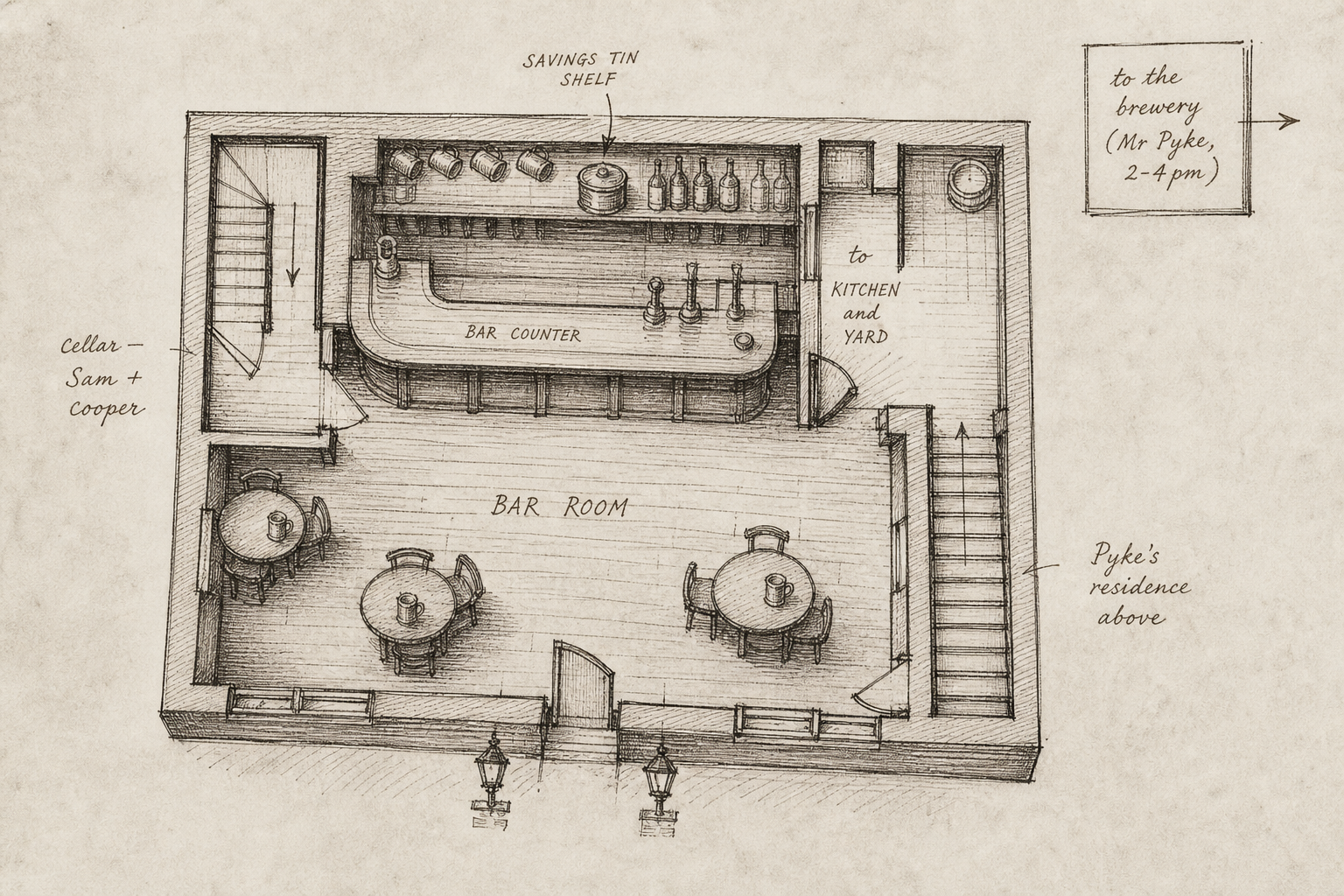
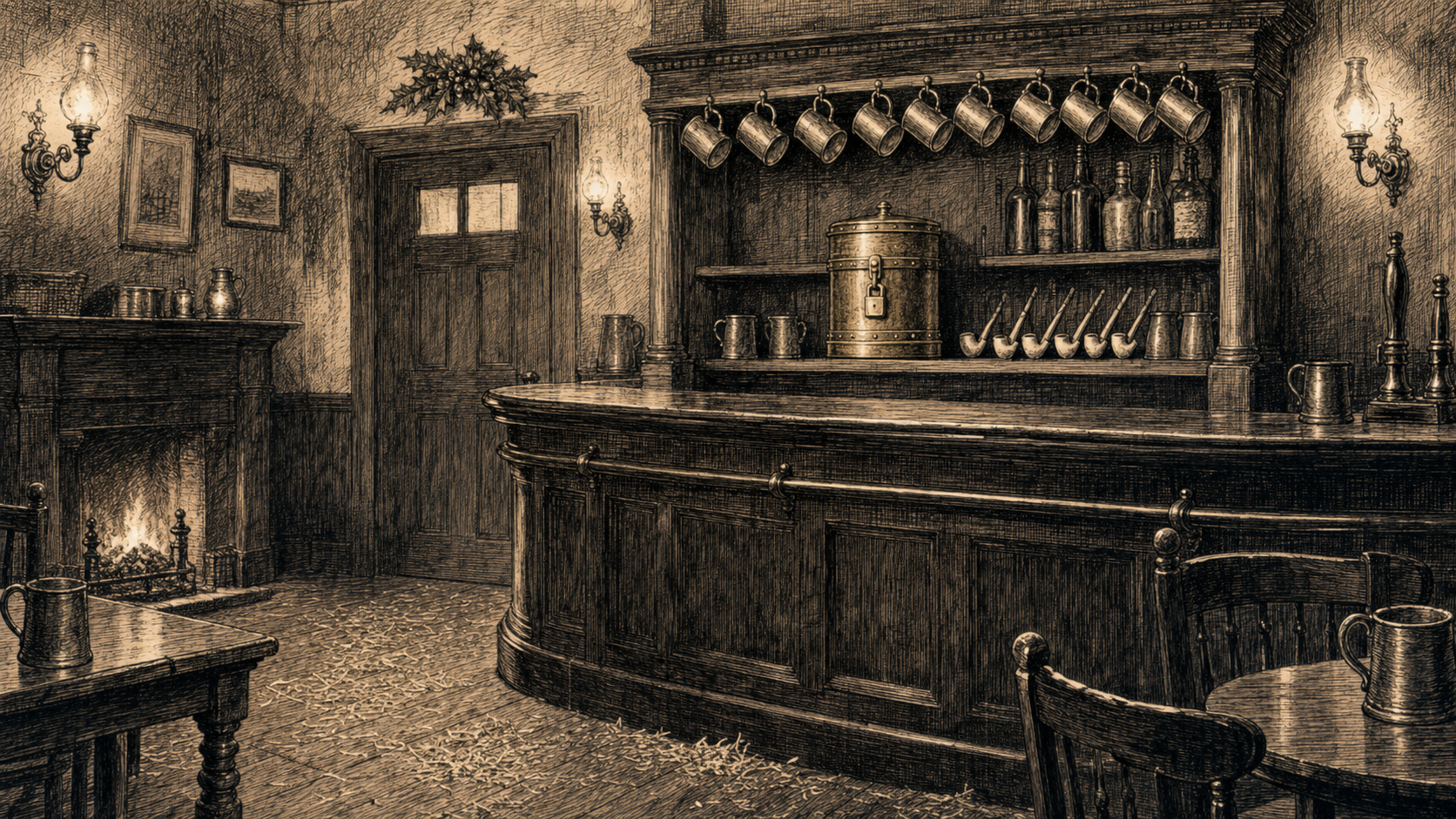
- Mr Edgar Chenery's chambers in Gray's Inn; his lodgings in Doughty Street; a small public-house in Theobald's Road
- Time
- Friday afternoon and evening, 2 November 1895
- Weather
- A cold, wet day, the lamps lit by four o'clock
- Atmosphere
- The hush of the Inns of Court at the year's turn; the smell of damp greatcoats; the rain on the pavements outside Doughty Street.
Section II
The Suspects
-
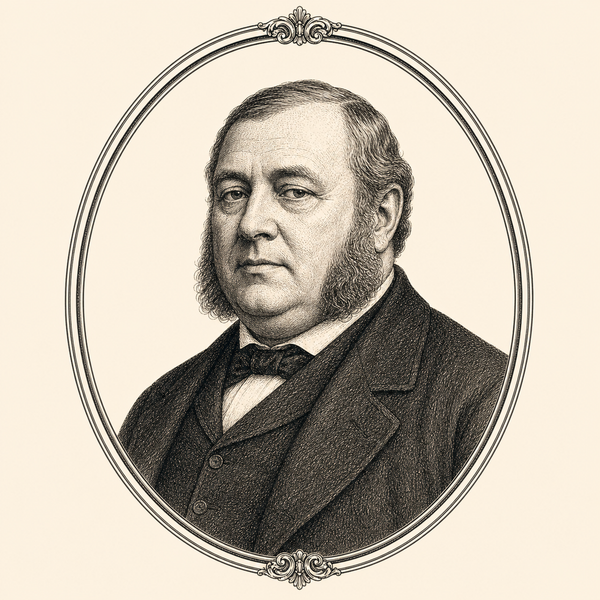
Mr Walter Daintree
Junior partner, Chenery's chambers
A capable, ambitious young man of thirty-three, who had been Chenery's junior for seven years and, by Chenery's own private account to his niece, was to be made full partner at the new year. He had been present at the chambers on the Thursday morning at his usual hour and had remained there throughout the day.
-
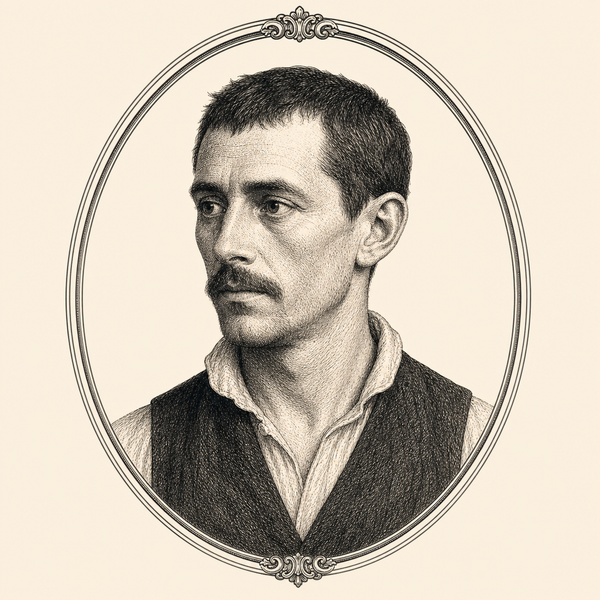
Mr Henry Pyne
Senior clerk, twenty-two years in the chambers
A man of fifty-five, of unimpeachable probity. He had been at his desk at the chambers from a quarter before nine on the Thursday and had been the first to remark Mr Chenery's absence.
-
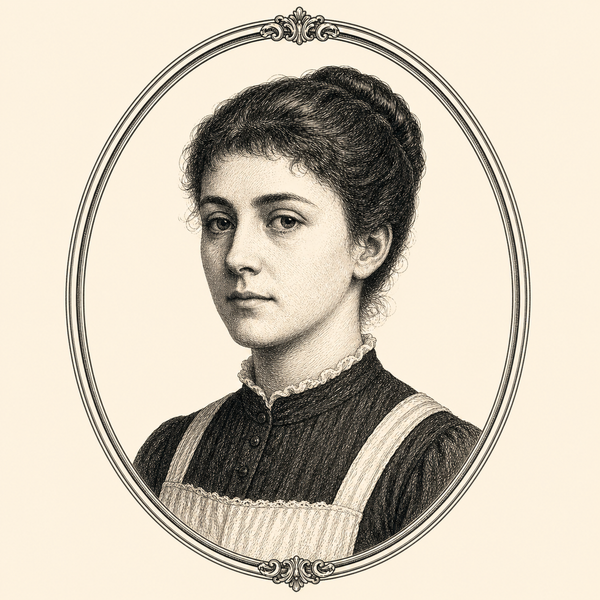
Mrs Annie Catlin
Chenery's housekeeper at Doughty Street, eight years
A widow of forty, brisk and affectionate towards her employer. She had served Chenery his breakfast at half past eight on the Thursday and had seen him out at the door at a quarter past nine, as he had himself stated to his clerk by the previous evening.
-
Captain James Chenery
Mr Chenery's brother, retired Indian army, of Eastbourne
A florid, choleric gentleman of sixty, with whom Mr Chenery had been on indifferent terms since a dispute over their late father's will some six years earlier. He had come up to London on the Wednesday evening on business of his own, lodging at the Charing Cross Hotel.
-
Mr Quentin Loft
An old client of Mr Chenery, a stockbroker of Cornhill
A nervous, sandy-haired man of forty-eight, in some present financial difficulty. He had had an appointment with Mr Chenery at ten o'clock on the Thursday morning, which appointment had not, in the event, taken place.
Section III
The Evidence
-
The handwriting of the letter
The letter purporting to be from Mr Chenery and posted from Calais was undoubtedly in his hand — but Holmes, after long examination under his lens, drew our attention to the formation of the lower-case "e". Mr Chenery's habit, throughout his correspondence as preserved in the chambers' files, was to close the loop of the "e" with a small, definite return of the pen above the line. The letter from Calais closed the "e" below the line — a small but unmistakable difference, repeated forty-seven times in the body of the letter.
-
Captain Chenery's hotel bill
The Charing Cross Hotel's bill, in the captain's name, ran from Wednesday evening to Friday morning. The hotel page-boy reported the captain absent from his room throughout the day on Thursday — a fact confirmed by the chambermaid, who had been able to do the room only at five in the afternoon.
-
The will dispute
The brothers had quarrelled six years earlier over their late father's will, the captain having received a smaller portion than he believed himself entitled to. The matter had been argued in chancery and decided in Mr Edgar Chenery's favour. The two had not spoken since.
-
Loft's appointment
Mr Loft had had an appointment with Chenery for ten o'clock on the Thursday morning, the matter being a deed of settlement on a property in Hampstead. Loft had arrived at the chambers at five minutes to ten, had been told by Pyne that Mr Chenery had not arrived, and had remained until eleven before leaving in some annoyance.
-
Daintree's prospects
Daintree was, on the partnership question, undoubtedly to benefit by the change at the new year. The partnership documents, drawn up in Chenery's own hand the previous month, were in the office safe.
-
The Calais postmark
The letter bore the postmark of Calais, dated the Thursday afternoon. The Continental boat-train from Charing Cross departs at eleven and reaches Calais by way of Dover by mid-afternoon.
-
The cabman's account
A cab-driver named Mullins came forward, on the public reading of the affair in the evening papers, to say that he had taken a fare answering Mr Chenery's description from the corner of Doughty Street to a small public-house in Theobald's Road on the Thursday morning, between nine-thirty and ten. The fare had paid him a shilling and entered the public-house. Mullins had not seen him come out.
-
Mrs Catlin's morning
The housekeeper recalled that on the Thursday morning Mr Chenery had received, by the second post, a brief note in a hand she did not recognise. He had read it with some agitation and had taken it with him when he left.
Section IV
Statements & Testimony
-
Miss Eveline Chenery Reliable
Niece, the client
“"My uncle has not in his life been to the Continent. The letter is in his hand, but I tell you, Mr Holmes, I do not believe he wrote it."”
-
Mr Henry Pyne Reliable
Senior clerk
“"In twenty-two years I have known Mr Chenery to miss his chambers but twice, and on each occasion he had wired me before nine. There was no wire on the Thursday."”
-
John Mullins Partial
Cab-driver
“"I'm certain it was him from the description. He had a small dispatch-case and a worried look. He paid me at the door of the public-house and went in. I saw him no more."”
-
Captain James Chenery Doubtful
The brother
“"I had not seen my brother in six years. I came to London on my own business. I knew nothing of his absence until the inspector called upon me on the Friday afternoon at the Charing Cross."”
Section V